Hi, I’m Jingfei Huang, a Master of Design Engineering graduate from Harvard University (GSD/SEAS). I have worked with Prof. Jose Luis Garcia del Castillo López and Prof. Alex Haridis from Harvard University, collaborated with Lock Liu at Tencent, and conducted research with Prof. Ray LC at City University of Hong Kong, Prof. Toby Jia-Jun Li at the University of Notre Dame, and Prof. Jiangtao Gong at Tsinghua University.


My research interests focus on human–AI interaction for spatial and multimodal computing—designing interfaces and agent workflows that turn urban/visual data into interpretable, controllable support for navigation, creative writing/visualization, and decision-making.

I am applying for PhD programs and remain open to any research assistant (RA) or collaborations. Please feel free to contact me about any potential opportunities🌟.

Publication

*includes equal contribution, and † denotes the advising professor
All Selected Human–AI Co-Creation AI Agents Multimodal 3D Modeling Personalization & User Modeling Spatial Computing Generative AI for Design VR Embodied Interaction Cultural Heritage (ICH) Science Communication Behavior Change & Persuasion Visualization Affective Computing Urban Informatics

Vistoria: A Multimodal System to Support Fictional Story Writing through Instrumental Text‑Image Co‑Editing

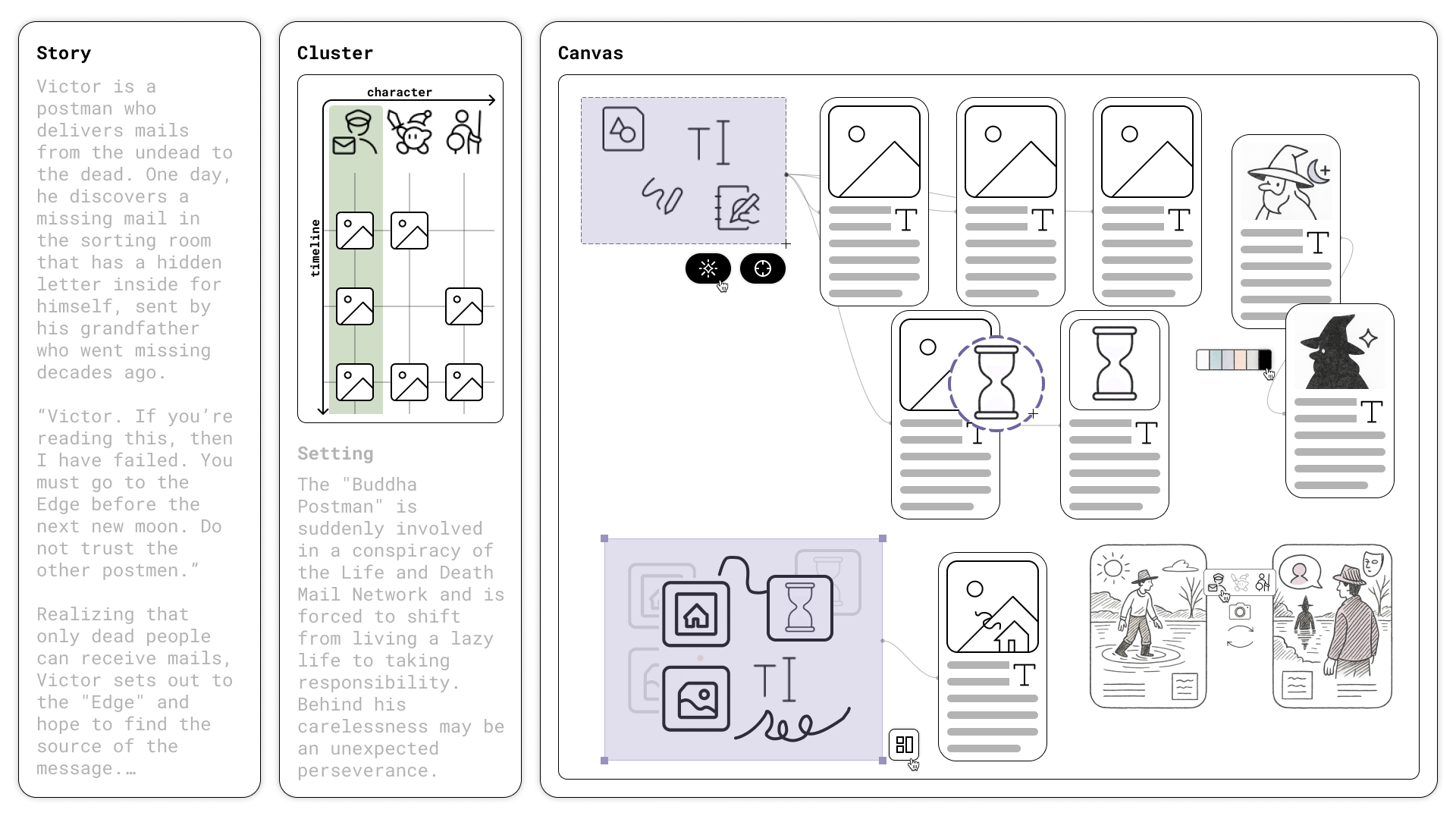
Humans think visually—we remember in images, dream in pictures, and use visual metaphors to communicate. Yet, most creative writing tools remain text-centric, limiting how authors planning and translating ideas. We present Vistoria, a system for synchronized text–image co-editing in fictional story writing that treats visuals and text as co-equal narrative materials. A formative Wizard-of-Oz co-design study with 10 story writers revealed how sketches, images, and annotations serve as essential instruments for ideation and organization. Drawing on theories of Instrumental Interaction and Structural Mapping, Vistoria introduces multimodal operations-lasso, collage, filters, and perspective shifts that enable seamless narrative exploration across modalities. A controlled study with 12 participants shows that co-editing enhances expressiveness, immersion, and collaboration, enabling writers to explore divergent directions, embrace serendipitous randomness, and trace evolving storylines. While multimodality increased cognitive demand, participants reported stronger senses of authorship and agency. These findings demonstrate how multimodal co-editing expands creative potential by balancing abstraction and concreteness in narrative development.

Kexue Fu*, Jingfei Huang*, Long Ling*, Sumin Hong, Yihang Zuo, Ray LC, Toby Jia-Jun Li†.
Selected Human–AI Co-Creation Multimodal AI Agents Evaluation & Mixed-Methods Generative AI for Design
Publication preview

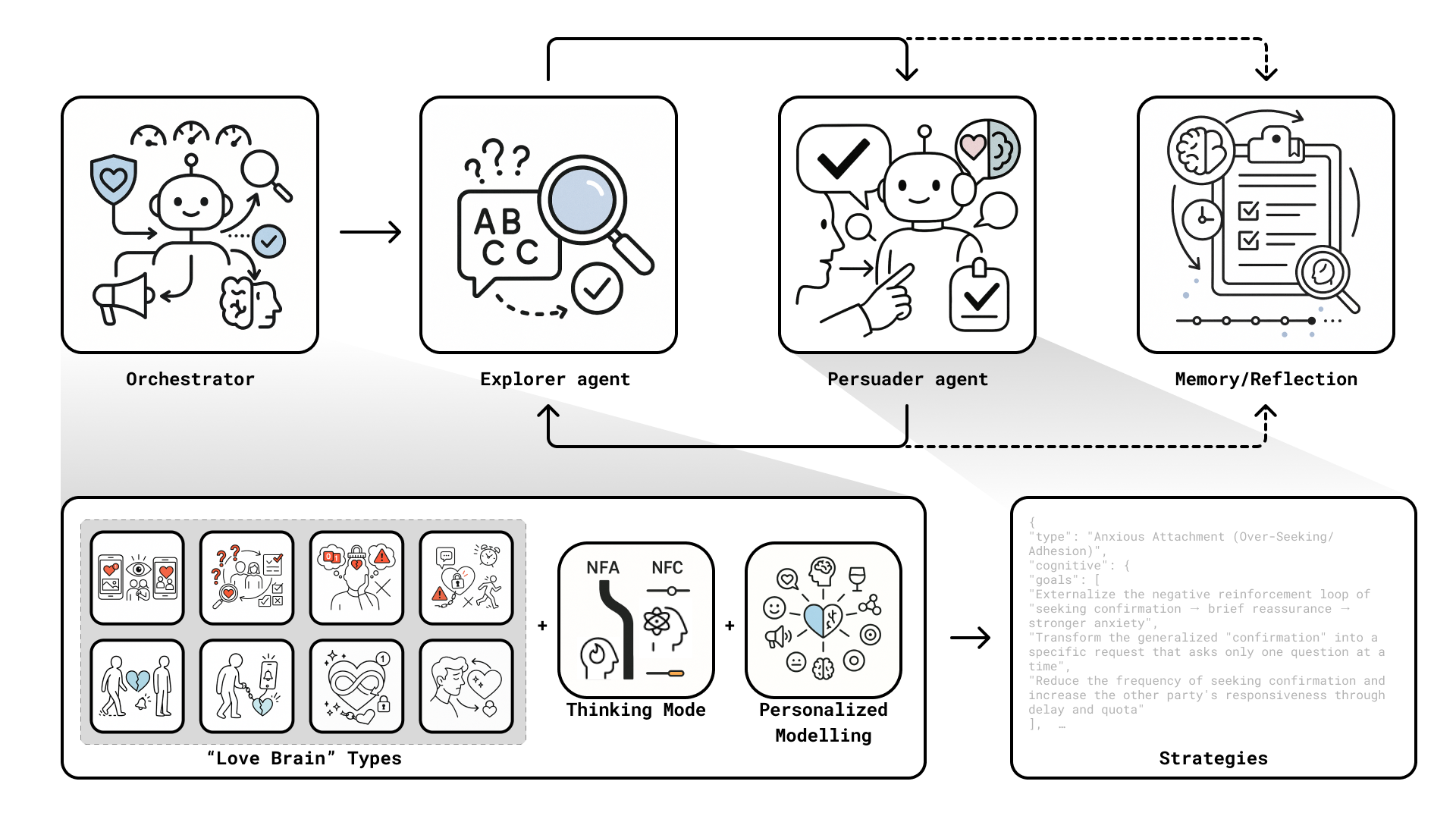
Excising ‘Love Brain’: Designing a Personalized Conversational Persuasion System for Intimate Relationship Support

“Love Brain” reflects impaired judgment in intimate relationships, where advice tools often fail to support real-time action. We propose a responsible personalized conversational persuasion system that adapts evidence-based strategies into context-sensitive dialogue and micro-actions. Prioritizing safety, autonomy, and transparency, the system integrates cognitive-affective onboarding, belief scanning, and adaptive routing of tactics. Evaluation contrasts it with static guidance, assessing outcome gains, fit between user styles and tactics, and moderation effects. Contributions include a deployable workflow for intimate relationship support, a causes-to-strategies knowledge base, and an analytic blueprint linking process to relational outcomes, advancing responsible persuasion design.

Jingfei Huang*, Hengxu Li*, Tianxin Huang*, Yuanrong Tang, Jiangtao Gong†.

Selected AI Agents Behavior Change & Persuasion Personalization & User Modeling Affective Computing Evaluation & Mixed-Methods
Publication preview

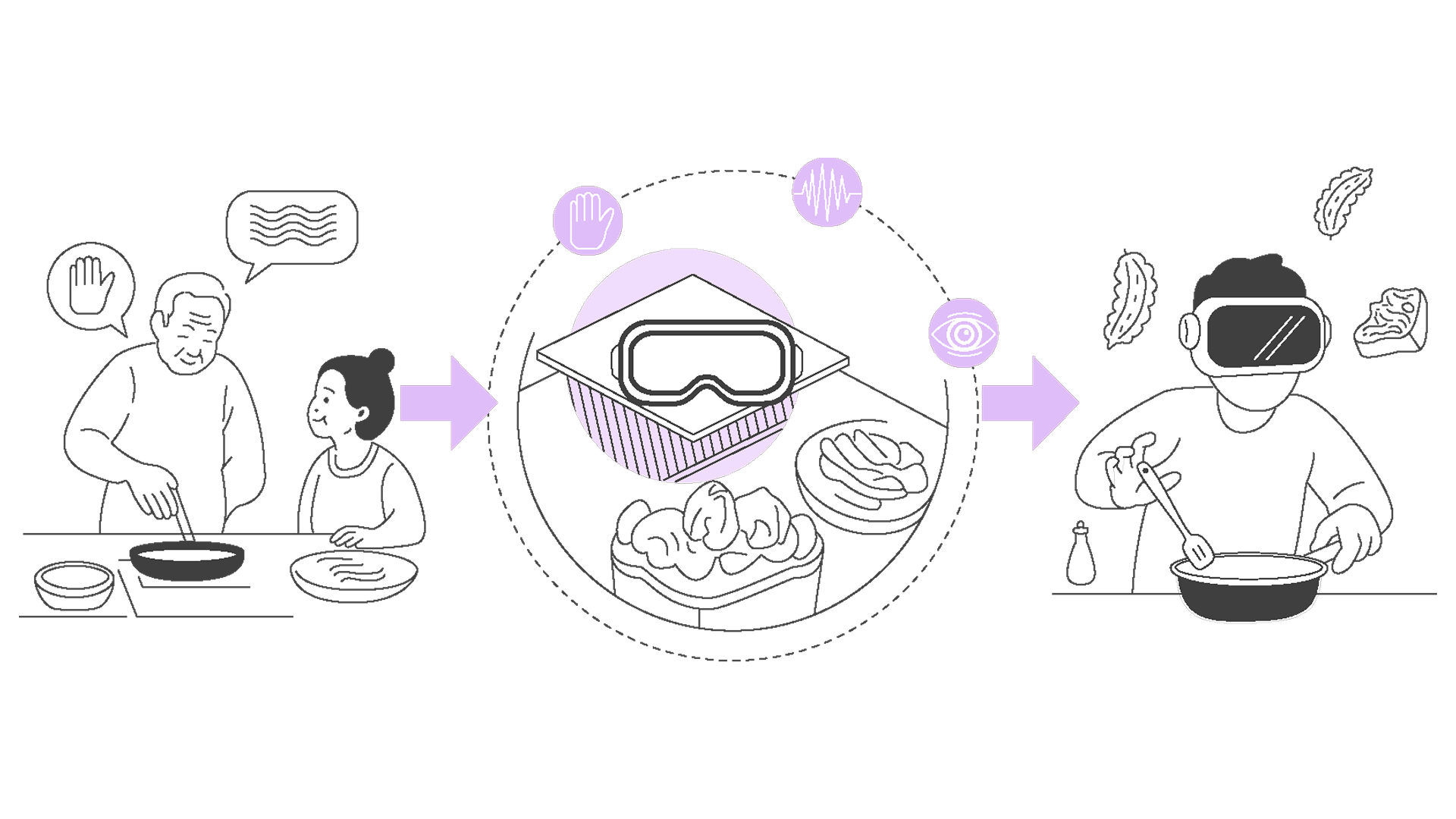
“Hakka Kitchen”: Immersive Game-based Representation of Culinary Cultural Heritage

Intangible Cultural Heritage (ICH) experiences are difficult to share with the public because they are essentially processes that rely on physical interactions in a specific cultural context. We consume noninteractive media such as videos and books to learn about culinary ICH experiences, but they do not allow us to grasp the actual interactive procedures that embody the cultural knowledge. In order to engage people in a traditional cooking experience, we created a VR game where players are guided by a Hakka chef through a modeled physical process of making the traditional dish of stuffed bitter melon. Compared against watching a video in VR providing the same information noninteractively, our game led to increased sensory engagement with the culinary cultural heritage and willingness to transmit awareness for the ICH (N=40). Our work shows how representing interactive procedures instead of static content may empower cultural awareness.

Jingfei Huang*, Yuyao Wang*, Ruyan Chen*, Ray LC†

Cultural Heritage (ICH) Spatial Computing VR Embodied Interaction 3D Modeling Evaluation & Mixed-Methods
Publication preview

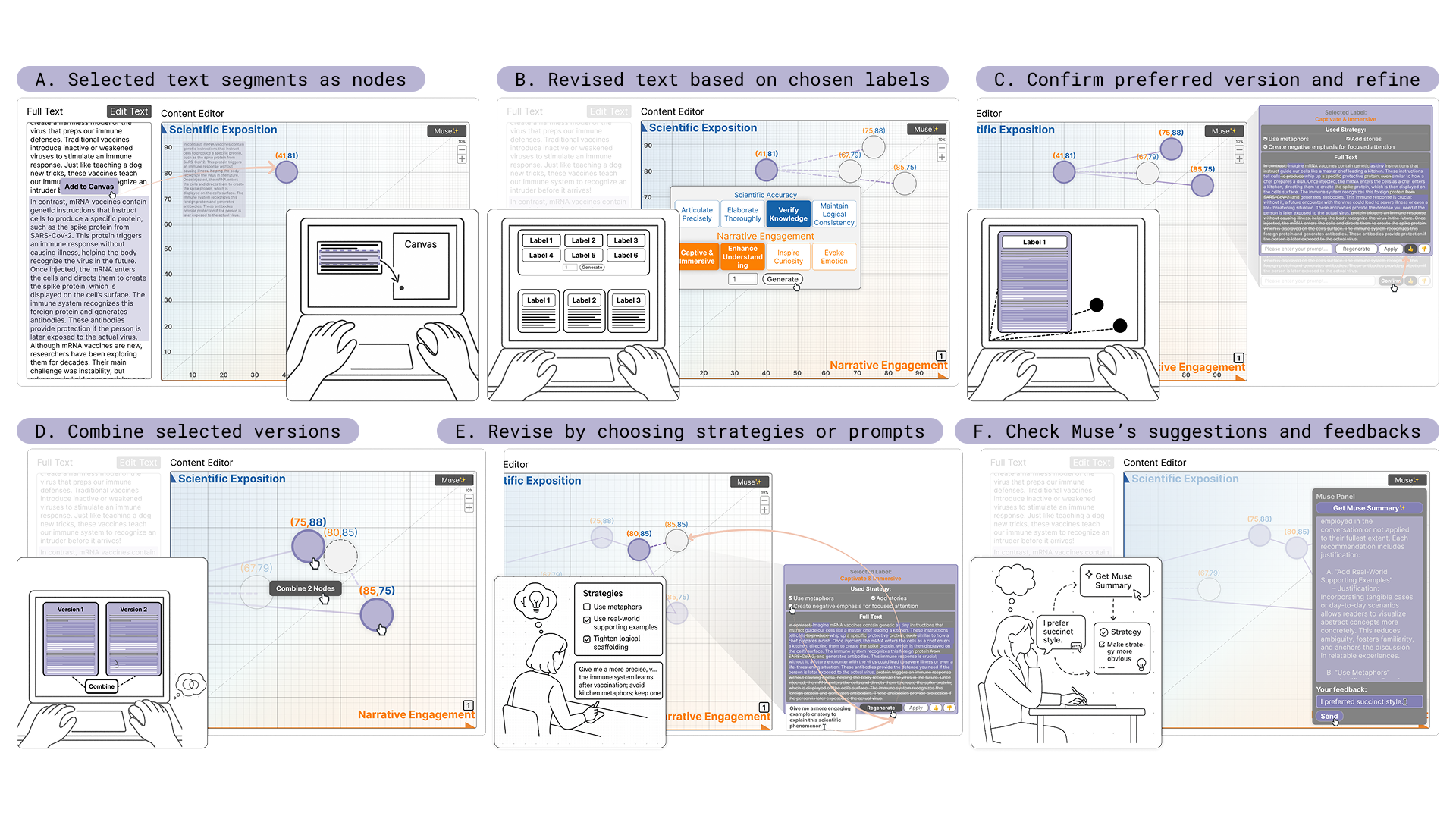
“Spatial Balancing”: Harnessing Spatial Reasoning to Balance Scientific Exposition and Narrative Engagement in LLM-assisted Science Communication Writing

Balancing scientific exposition and narrative engagement is a central challenge in science communication. To examine how to achieve balance, we conducted a formative study with four science communicators and a literature review of science communication practices, focusing on their workflows and strategies. These insights revealed how creators iteratively shift between exposition and engagement but often lack structured support. Building on this, we developed SpatialBalancing, a co-writing system that connects human spatial reasoning with the linguistic intelligence of large language models. The system visualizes revision trade-offs in a dual-axis space, where users select strategy-based labels to generate, compare, and refine versions during the revision process. This spatial externalization transforms revision into spatial navigation, enabling intentional iterations that balance scientific rigor with narrative appeal. In a within-subjects study (N=16), SpatialBalancing enhanced metacognitive reflection, flexibility, and creative exploration, demonstrating how coupling spatial reasoning with linguistic generation fosters monitoring in iterative science communication writing.

Kexue Fu*, Jiaye Leng*, Yawen Zhang*, Jingfei Huang, Yihang Zuo, Runze Cai, Zijian Ding, Ray LC, Shengdong Zhao, Qinyuan Lei †

Selected Science Communication Human–AI Co-Creation Multimodal Visualization Personalization & User Modeling Evaluation & Mixed-Methods
Publication preview

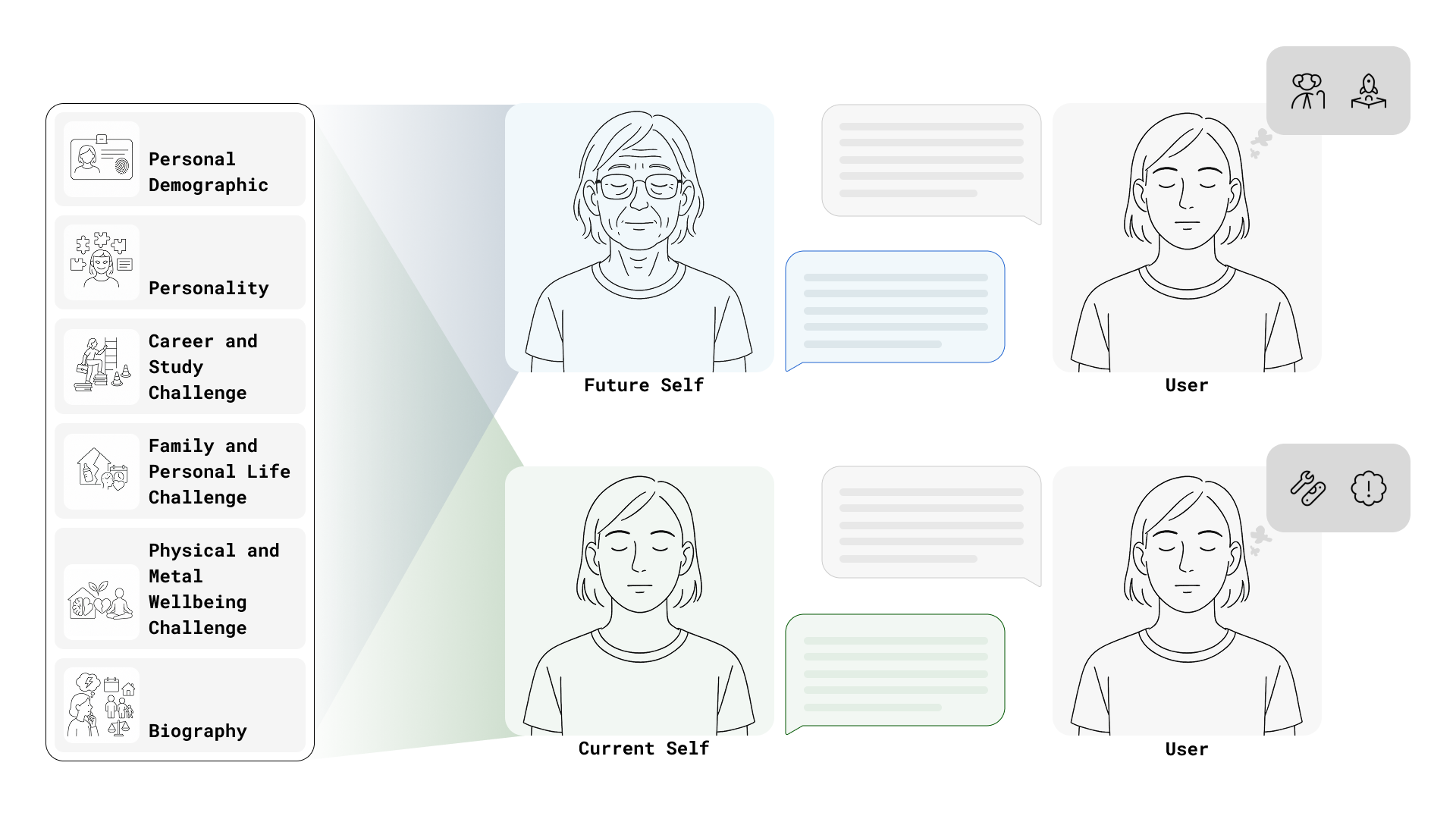
“My Future Is Still Vague”: Chatting with Current and Future Versions of Our Selves Created Through Survey Data and Generative AI

Certain actions, like career planning, long-term exercise, and sustainable behaviors are challenging to elicit because the consequences of the actions are distant in the future. Studies have shown that visualizing the future self can enhance motivation for pro-social behaviors, but they do not allow for interactions with these proposed futures based on customized data. We designed a strategy for creating Large Language Model (LLM) chatbots for individuals using their own survey data. In a between-group study, 40 participants interacted with either Future Self or Current Self versions of chatbots. Post-study probes showed that participants who engaged with Future Self chatbots showed higher levels of career maturity. Participants perceived encouragement due to chatbots' empathetic tones when discussing current frustrations. Participants also felt more confident about their future path when the Future Self chatbots' statements aligned with the users' preferred visions for their futures. Our work creates a customized strategy for individuals to look at themselves interactively for engaging in pro-social behaviors.

Jingfei Huang*, Xiaole Zeng*, Xinyi Chen*, Ray LC†

Selected Future-Self & Reflection AI Agents Personalization & User Modeling Behavior Change & Persuasion Evaluation & Mixed-Methods
PDF
Publication preview

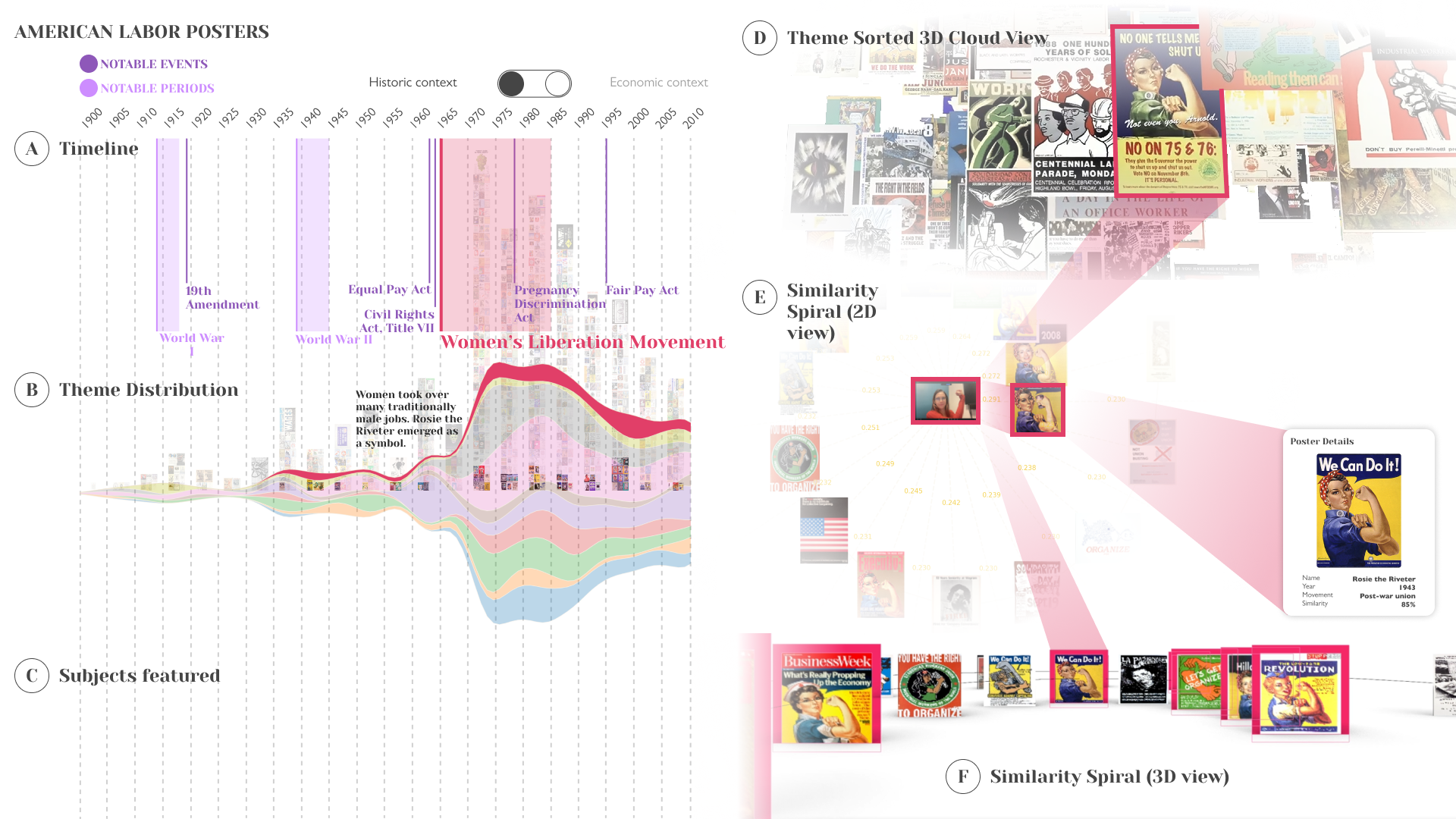
Posterity: Balancing Historical Context and Visual Dynamism While Visualizing a Collection of American Labor Poster

Visual archives of political movements are rich cultural resources, yet often difficult to explore at scale due to complex visual semantics and limited interaction models. We present \tool{}, an interactive visualization system for 784 digitized American labor posters (1900–2010), designed to support both historical contextualization and visual-semantic exploration. \tool{} integrates curated metadata, CLIP-based multimodal embeddings, and unsupervised clustering to offer three coordinated views: a timeline aligned with key labor events, a 3D semantic cloud, and a similarity spiral responsive to image-, object-, or gesture-based input. Together, these views enable users to trace recurring visual motifs, discover rhetorical patterns, and explore labor movement narratives from multiple entry points. While developed for labor posters, the approach demonstrates potential for adaptation to other visual cultural heritage collections, particularly those with rich metadata and symbolic content.

Linh Pham*, Daniel Rodriguez Rodriguez*, Jingfei Huang*, Hui-Ying Suk*

Visualization CLIP Embeddings Multimodal Science Communication Cultural Heritage (ICH) Human–AI Co-Creation Evaluation & Mixed-Methods
Publication preview

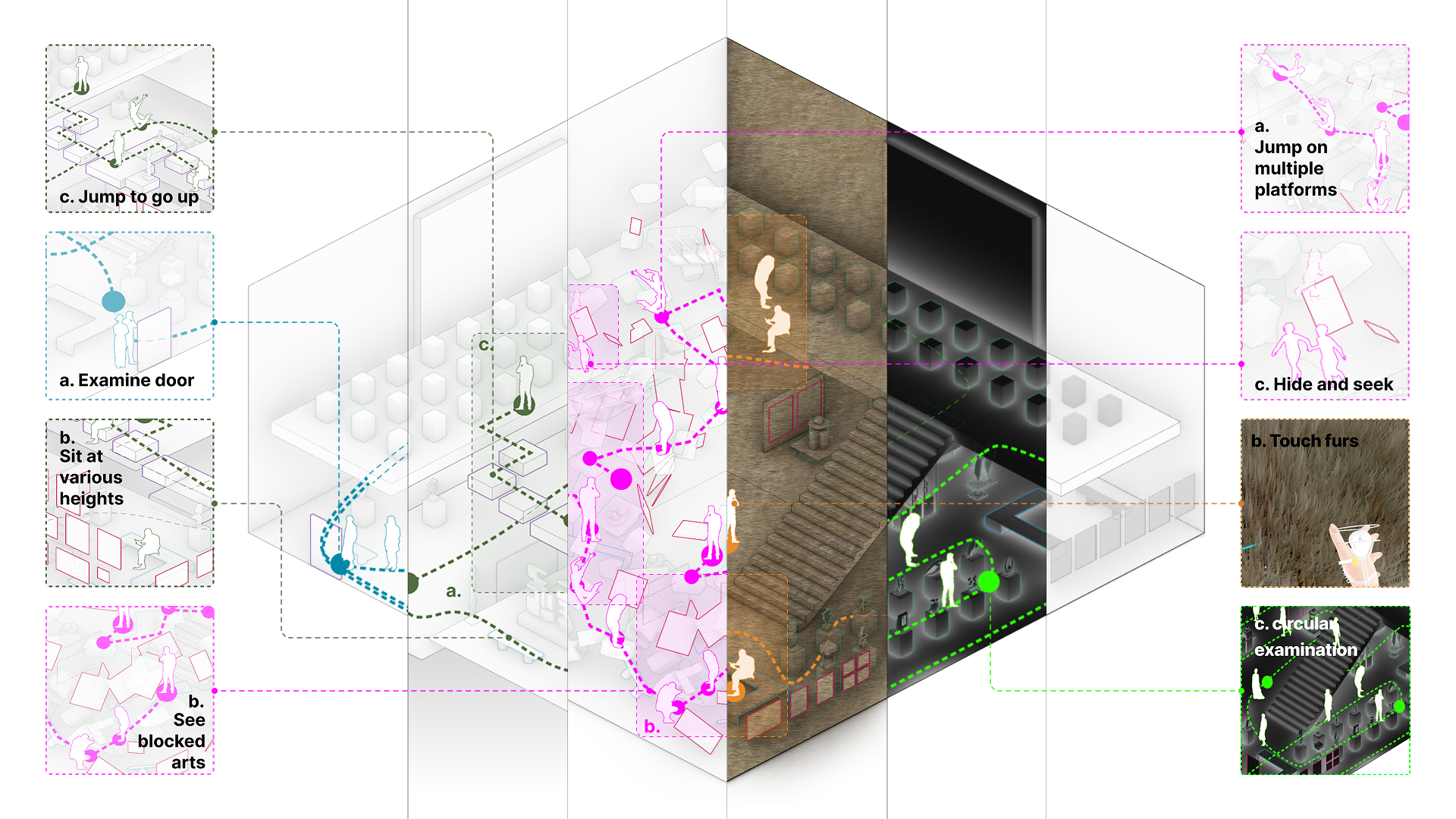
The House of the Impossible Gables: Player Engagement and Spatial Perception of Physically Impossible Spaces in Social VR

Social Virtual Reality (VR) provides an escape from the physical world, creating communities where visitors can imagine and play new roles. However, spaces in social VR platforms can have their own unique identities, shaping the interactions within them with virtual interactions that go beyond physical reality. To investigate the unique capabilities of the spatial part of the social VR experience to shape player perception and interaction, we designed “impossible spaces” in VRChat that defy spatial interaction expectations in physical reality, including “explosion” room, “teleportation” room, “furry” room, “levitation” room, “dark” room, “transparent” room. We qualitatively analyzed exploration patterns and interview data to identify exploration-oriented, task-oriented, and examining patterns of movement by players. We interpret how affordances like relocation and materiality can lead to diverse spatial judgments. The design of spaces that go beyond physical reality provides insight for the design of imagined scenarios and interactions in-game and exhibition environments.

Jingfei Huang, Yan Zhang, Jingyi Ge, Yaning Li, Ray LC†

Spatial Computing VR Embodied Interaction 3D Modeling Evaluation & Mixed-Methods
Publication preview

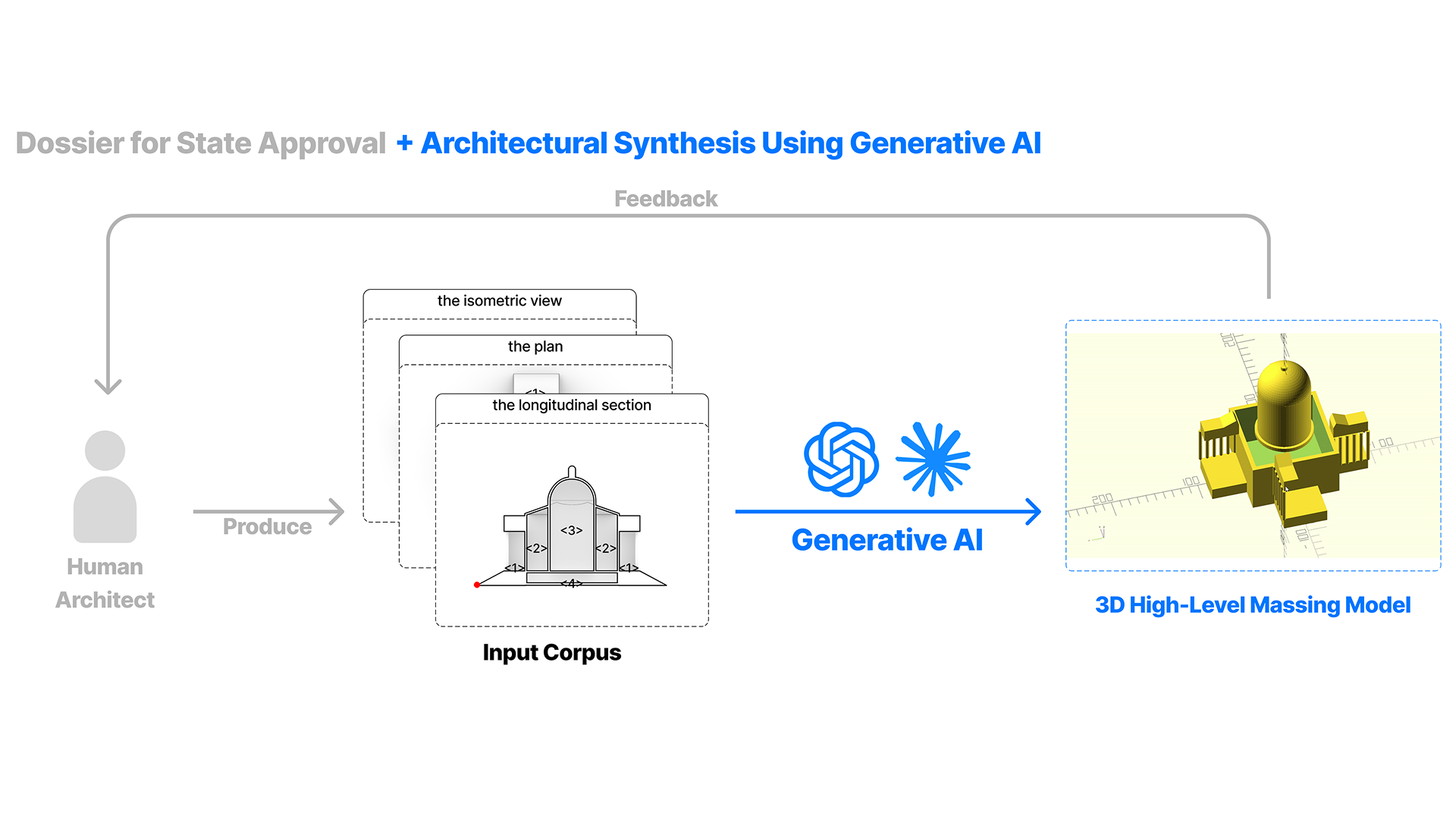
Evaluation of Architectural Synthesis Using Generative AI: A case study on Palladio’s architecture

Recent advancements in multimodal Generative AI may democratize specialized architectural tasks like interpreting technical drawings and creating 3D CAD models which traditionally require expert knowledge. This paper presents a comparative evaluation study of two systems—GPT-4o and Claude 3.5—in the task of architectural 3D synthesis. It takes as a case study two buildings in Palladio’s Four Books of Architecture (1965): Villa Rotonda and Palazzo Porto. High-level architectural models and drawings of the buildings were prepared inspired by Palladio’s original text and drawing corpus. Through sequential text and image prompting, the study characterizes intrinsic abilities of the systems in (1) interpreting 2D/3D representations of buildings from drawings, (2) encoding the buildings into a CAD software script, and (3) self-improving based on outputs. While both systems successfully generate individual parts, they struggle to accurately assemble these parts into the desired spatial relationships, with Claude 3.5 showing overall better performance, especially in self-correcting its output. The study contributes to ongoing research on benchmarking the strengths and weaknesses of off-the-shelf AI systems in intelligent human tasks requiring discipline-specific knowledge. The results show the potential of language-enabled AI systems to act as collaborative technical assistants in the architectural design process.

Jingfei Huang, Alexandro Haridis†

Selected Generative AI for Design Human–AI Co-Creation Multimodal 3D Modeling AI Agents Evaluation & Mixed-Methods
Publication preview

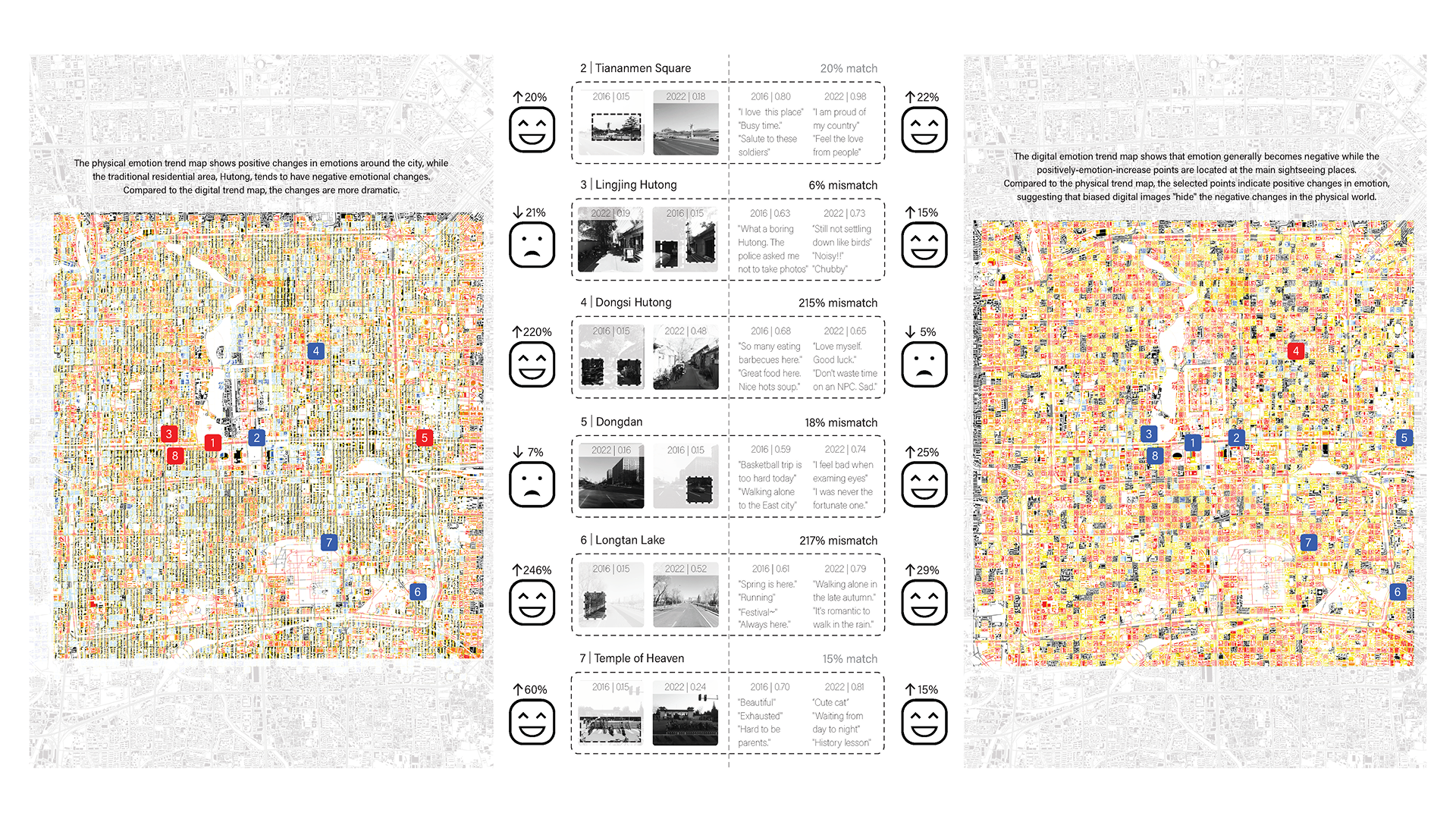
Inconsistent affective reaction: sentiment of perception and opinion in urban environments

The ascension of social media platforms has transformed our understanding of urban environments, giving rise to nuanced variations in sentiment reaction embedded within human perception and opinion, and challenging existing multidimensional sentiment analysis approaches in urban studies. This study presents novel methodologies for identifying and elucidating sentiment inconsistency, constructing a dataset encompassing 140,750 Baidu and Tencent Street view images to measure perceptions, and 984,024 Weibo social media text posts to measure opinions. A reaction index is developed, integrating object detection and natural language processing techniques to classify sentiment in Beijing Second Ring for 2016 and 2022. Classified sentiment reaction is analysed and visualized using regression analysis, image segmentation, and word frequency based on land-use distribution to discern underlying factors. The perception affective reaction trend map reveals a shift toward more evenly distributed positive sentiment, while the opinion affective reaction trend map shows more extreme changes. Our mismatch map indicates significant disparities between the sentiments of human perception and opinion of urban areas over the years. Changes in sentiment reactions have significant relationships with elements such as dense buildings and pedestrian presence. Our inconsistent maps present perception and opinion sentiments before and after the pandemic and offer potential explanations and directions for environmental management, in formulating strategies for urban renewal.

Jingfei Huang, Han Tu†

Selected Urban Informatics Multimodal Affective Computing Spatial Computing Human–AI Co-Creation Visualization Evaluation & Mixed-Methods
Publication preview

Project

All Selected AI Agents Multimodal Spatial Computing Affective Computing Urban Informatics Human–AI Co-Creation 3D Modeling VR XR Game

NEXUS

Demo

Design, develop, and deploy a map app that calculate multi-modal, agentic personalization of urban walking routes, foregrounding experiential subjective signals to tailor spatial navigation beyond shortest path.

Advisor: Jose Luis Garcia del Castillo Lopez.

Selected AI Agents Multimodal Spatial Computing Affective Computing Urban Informatics
Project preview

MOOD.ai

Github

Designed and developed a multi-agent retrieval-and-tool-use pipeline that decomposes design reference search into sub-tasks with verification/strategy adaptation for robust synthesis for designers.

Collaborated with Tencent; Advisor: Lock Liu.

Selected Human–AI Co-Creation AI Agents Multimodal
Project preview

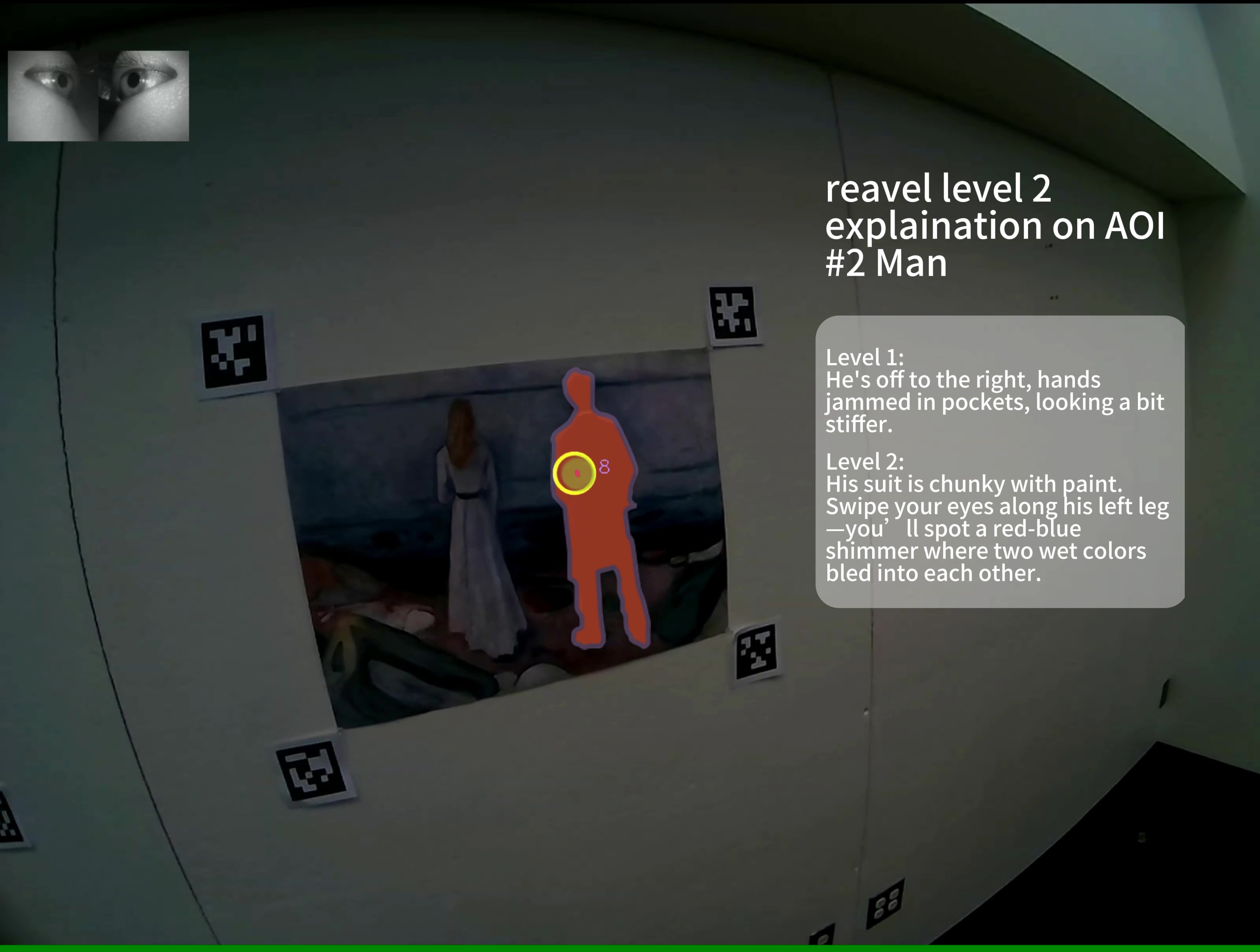
Art Museum and Eye Tracking

Github

Design and prototype an eye-gaze based audio guide system for artwork viewing.

Advisor: Juan Pablo Ugarte & Martin Bechthold.

Selected Multimodal Affective Computing
Project preview

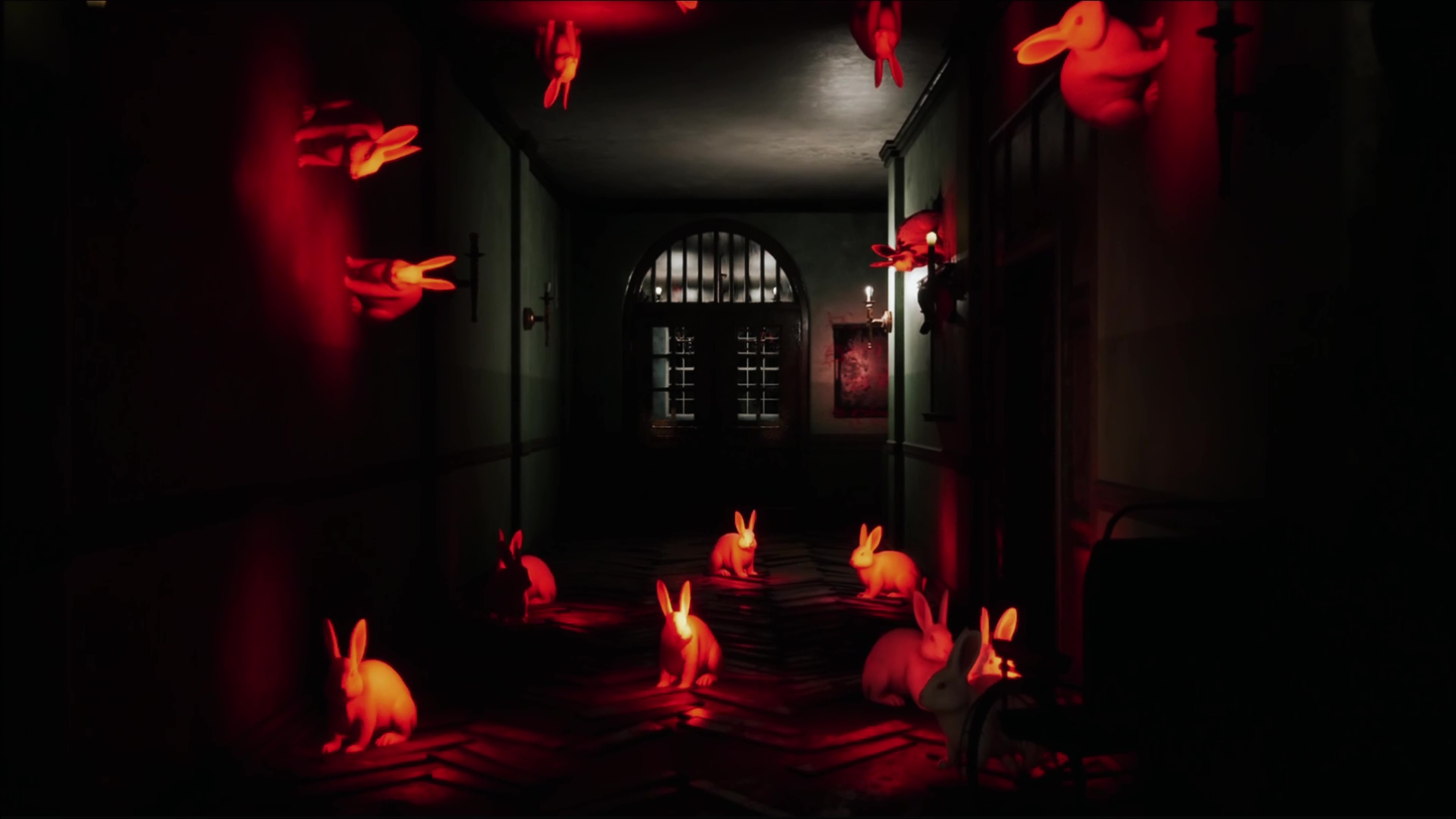
Dark Voice

PV

Designed and developed a horror game prototype (0→1), built the narrative atmosphere and mechanics of each level, and produced the PV.

Collaborated with Tencent Studio TIMI.

Selected Game 3D Modeling
Project preview

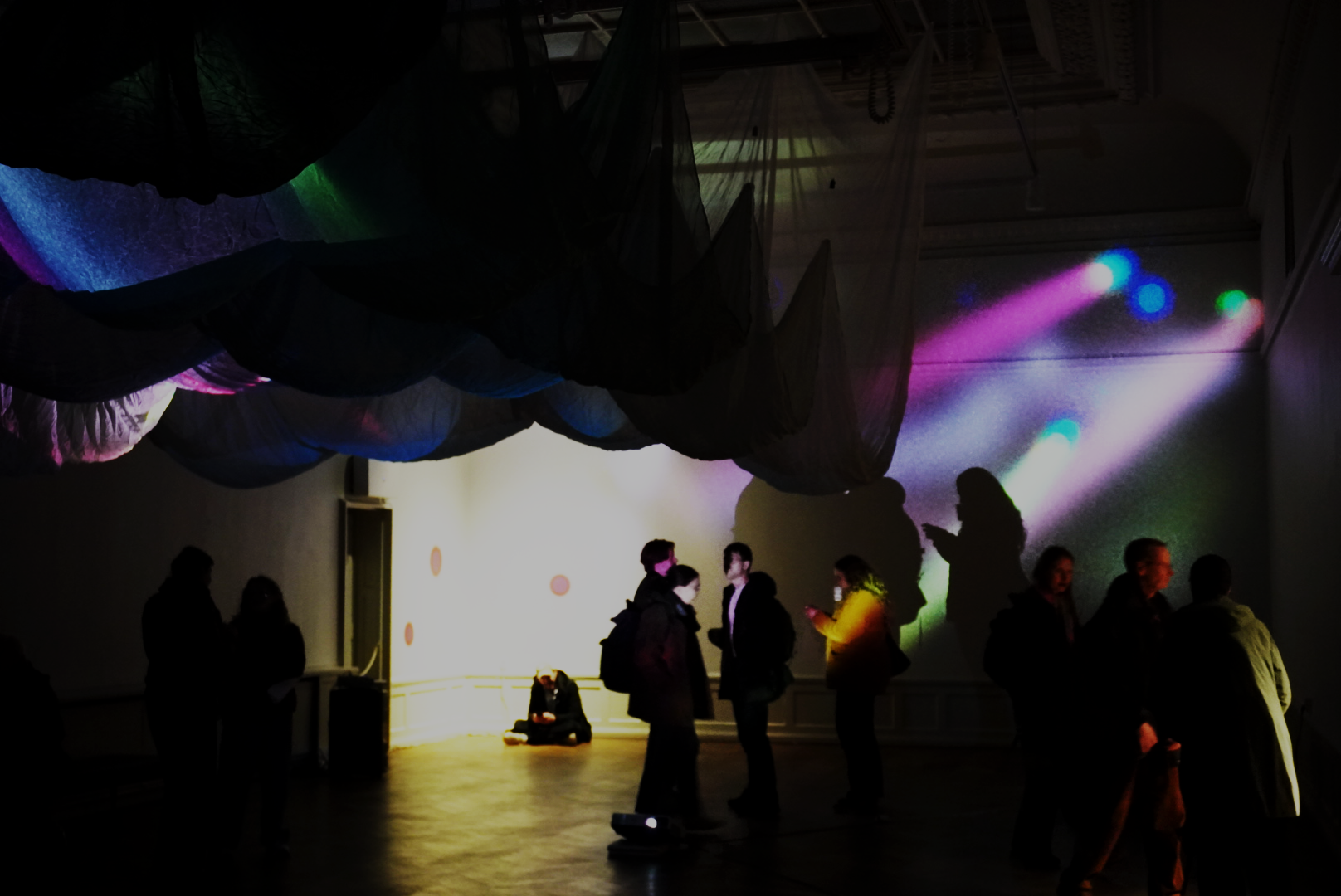
Three Body Social Network - Conflux

Exhibition

Designed, developed, deployed the software part that embedded BERT model, displayed sentiment calculation and simulated three-body social interactions among users.

Exhibited at SKF/Konstnärshuset.

Selected Human–AI Co-Creation Affective Computing
Project preview

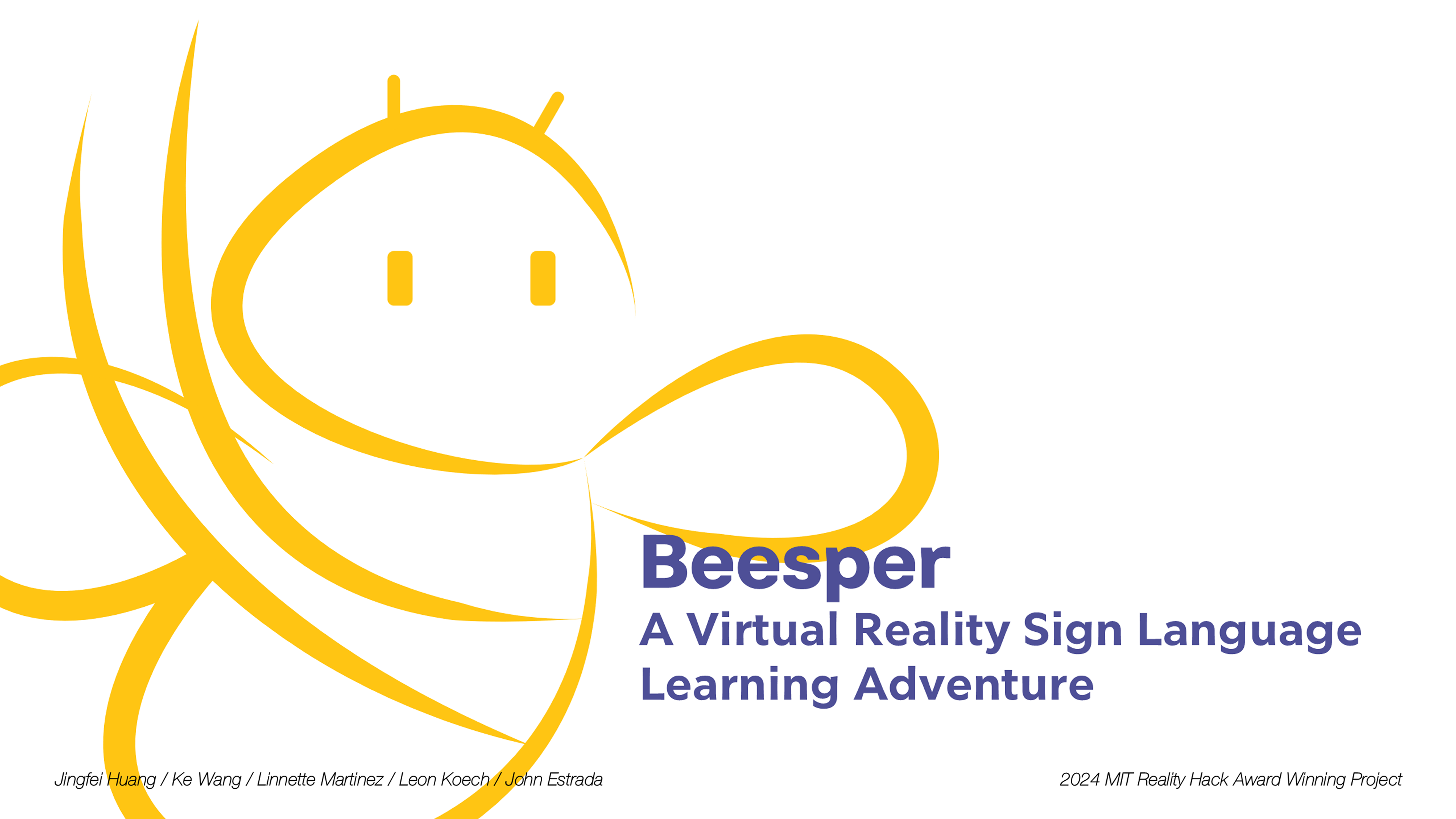
Beespe

Website

Beesper is a VR application designed to teach American Sign Language (ASL) in an interactive and engaging manner. It provides real-time feedback, making the learning process enjoyable and effective.

Winner of Best Use of Hand Gesture in 2024 MIT Reality Hack.

Game 3D Modeling VR XR
Project preview

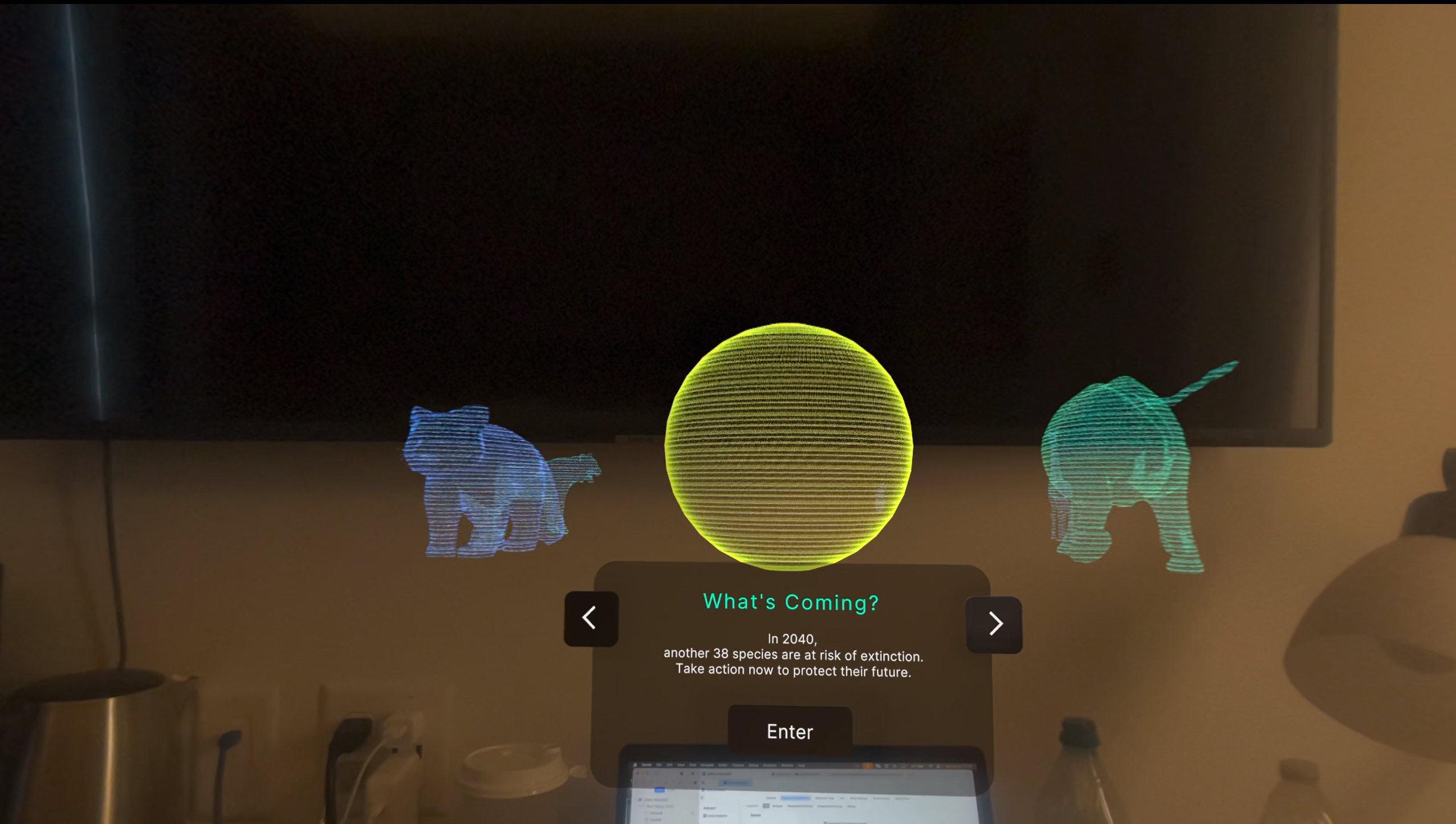
In their Paws

Website

By combining XR and VR, the project immerses users in the lives of these animals, helping them experience the impact of environmental degradation, habitat loss, and human activities from a first-hand perspective.

Game 3D Modeling VR XR
Project preview

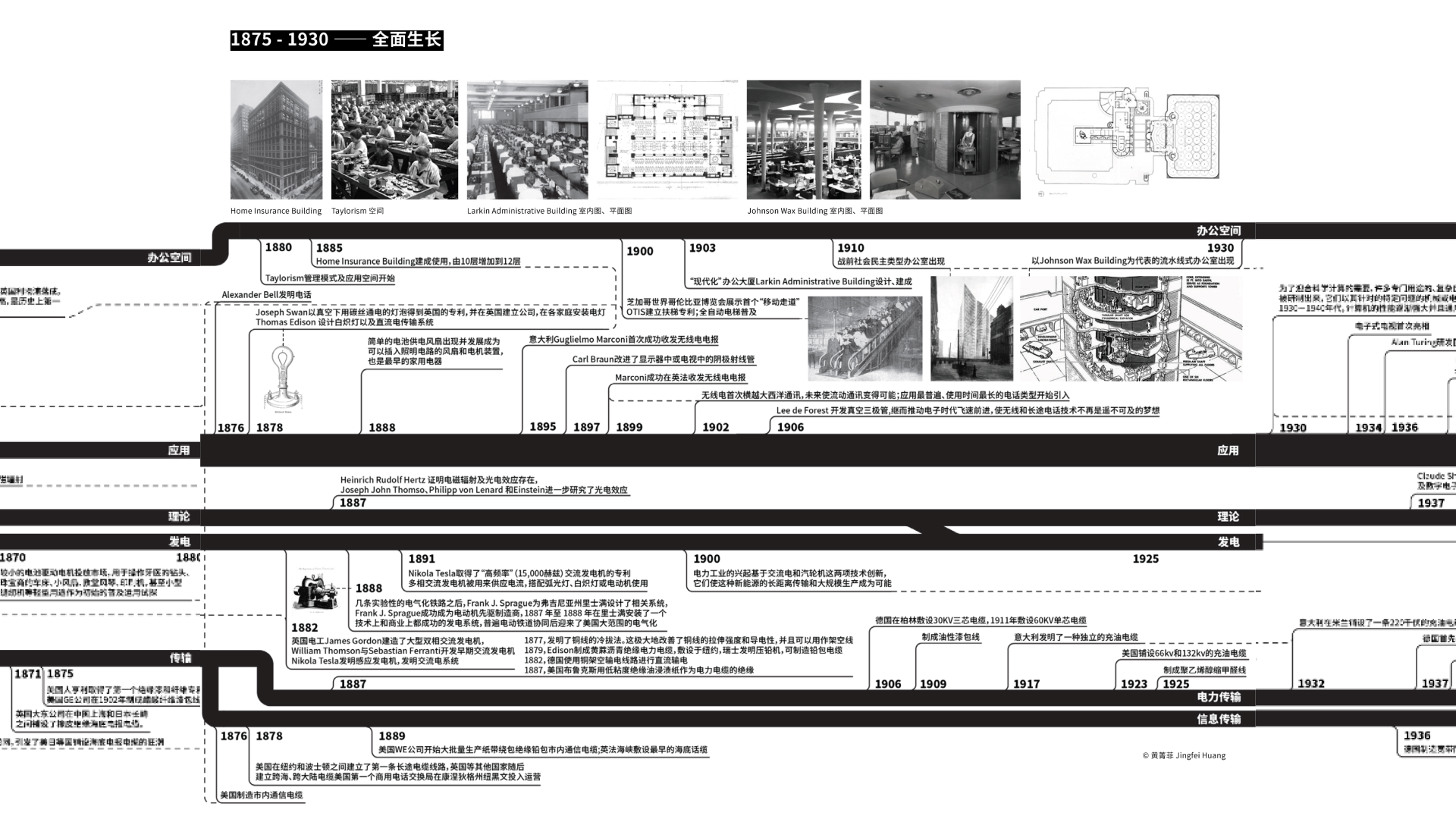
On Office by the 9th Bi-City Biennale of Urbanism/Architecture, Researcher & Designer

Conducted technology philosophy research on electricity, focusing on the relationship between digital interfaces and human interactions across various scales. Published privately.

Advisor: Jia Weng.

Project preview

Honor, Award, Accreditation

Sep 2025
NEXUS shortlisted for Prototypes for Humanity
Apr 2024
Recipient of Harvard University HMUI Grant
Jan 2024
Winner of Best Use of Hand Gesture, MIT Reality Hack
Nov 2022
Shortlisted for Melbourne Affordable Housing Design Competition
Sep 2022
Top 100 Young Creator, RIBA Metaverse Design Idea in Metaverse of “My Future City”
Oct 2021
LEED GA
2015–2020
Recipient of Merit-Based Scholarship $20,000 and the Martin Rich Award at Pratt Institute
8× archived works in school publication: InProcess
Pratt Institute Dean’s Lists and President’s Lists